Pro Israel Activists Pursue College Democrats
Pro-Israel activists are growing more partnering with College Democrats to reshape campus conversation. By uniting their initiatives around common values like progressive causes, they strive to facilitate thoughtful discussions about the Israeli-Palestinian conflict. This alliance seeks to advance forward-thinking ideas while fostering understanding in a divided climate. However, the ramifications of this alliance present critical questions about student perspectives and the direction of advocacy on college grounds. What challenges and opportunities lie ahead for these groups?
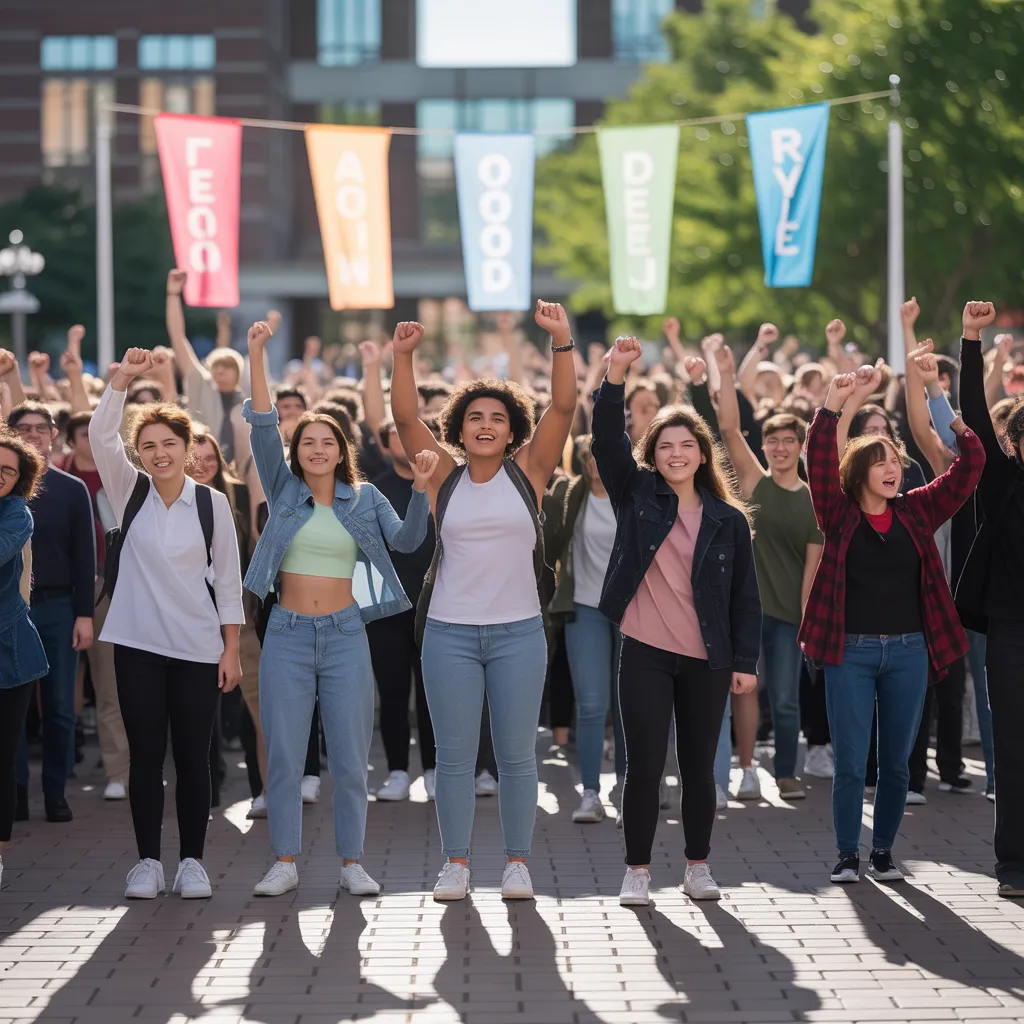
The Expanding Impact of Pro-Israel Advocacy on College Campuses
As pro-Israel engagement rises on college campuses, its influence over student discourse and political engagement becomes increasingly evident. This surge is reshaping conversations surrounding international relations, particularly regarding the Israeli-Palestinian conflict. Pro-Israel groups are organizing events, bringing in notable speakers, and fostering dialogues that highlight Israel's democratic values and cultural contributions. These programs often engage a diverse audience, including those who may be previously indifferent to the topic.
Moreover, the advocacy has motivated students to think more deeply with global issues, generating debates that extend beyond campus boundaries. Some students find themselves reassessing their perspectives on overseas relations, while other students become committed members in outreach initiatives. This developing climate represents a change in how civic participation is approached, with pro-Israel views progressively emerging as a feature of the larger university discourse. The impact of these advocates is not only felt in discourse but also in shaping the political outlooks of campus participants.
Connecting with Students: Pro-Israel Approaches on Campus
Pro-Israel advocates are utilizing a variety of strategies to actively engage students on college campuses. Such programs commonly feature facilitating informative occasions, including lectures and panel debates featuring experts on Middle Eastern politics and Israeli culture. By providing platforms for informed dialogue, these organizations aim to counter misinformation and promote a comprehensive appreciation of Israel's position in international matters.
Social media efforts serve as another critical approach, utilizing platforms widely used by students to share positive narratives about Israel. Moreover, pro-Israel coalitions are establishing collaborations with various campus organizations to build connections that stress mutual values, such as innovation and democratic ideals.
To further their outreach, these coalitions regularly support student leadership by preparing representatives to communicate their viewpoints clearly. This multifaceted approach not only works to rally engagement but also strives to foster a more informed student body concerning the nuances of the Israeli-Palestinian issue.
The Ways College Democrats Are Impacting Political Dialogues
College Democrats are serving a key role in shaping political discourse on campus, frequently centering conversations on key issues such as equity and social justice. Through organized activism, they inspire student participation and cultivate a feeling of belonging among different points of view. This effect not only drives community dialogue but also reaches further than the campus, reflecting broader political trends.
Shaping Political Conversations on Campus
Activism on campus has taken on new dimensions as College refer to this page Democrats become increasingly involved in political discourse. These students are shaping conversations around critical issues, from ecological concerns to equality movements, and greatly impacting the political landscape. By coordinating gatherings, leading debates, and promoting open conversation, they foster a culture of engagement among their peers. Their platforms often amplify progressive voices, supporting a range of opinions while questioning conventional thinking. This participation not only enlightens members but also impacts overall campus perspectives. Additionally, College Democrats often collaborate with various organizations, forming an alliance of change-makers focused on social progress. By means of these initiatives, they serve a vital function in influencing political conversations across campuses, laying the groundwork for tomorrow's generation of changemakers.
Mobilizing Student Activism Efforts
Mobilizing student activism has emerged as a significant movement across college campuses, with College Democrats at the forefront in political dialogue. By coordinating rallies, events, and open discussions, they consistently bring their peers together in important matters, building a culture of informed discussion and engagement. Such initiatives frequently transcend partisan boundaries, encouraging participation from diverse groups and amplifying progressive ideals. Through online campaigns and alliances with regional organizations, College Democrats not only inform but also mobilize students to advocate for policies that resonate with their generation's values. Such a community-driven strategy underscores the significance of youth voices in shaping political landscapes, ensuring that the concerns of students are represented in wider civic conversations and driving change within academic settings and the broader community.
Connecting With Different Perspectives
As student activism continues to grow on campuses, College Democrats serve a crucial function in influencing political discussions by welcoming a wide range of viewpoints. This participation creates a setting where different perspectives are not only accepted but enthusiastically promoted. By including input from individuals of diverse backgrounds, these organizations challenge conventional narratives and promote inclusivity in political discourse.
By means of discussions, forums, and collaborative gatherings, College Democrats develop venues for marginalized communities, fostering a more comprehensive understanding of intricate subjects. This strategy not only deepens the discourse within their community but also influences broader campus conversations. As they manage varying perspectives, College Democrat members demonstrate the importance of unity in diversity, effectively preparing members for future political engagement in a complex community.
Comprehending Student Outlooks on Israel Amid Increasing Unrest
How do students manage their perspectives about Israel amid increasing international tensions? In a growing climate of division, a great number of students wrestle with multifaceted sentiments surrounding Israel. On one hand, certain students voice strong backing for Israel, referencing historical connections and democratic principles. On the other hand, others advocate for Palestinian rights, shaped by social justice causes and demands for equality. This dichotomy often leads to intense discussions on campuses, where students aim to communicate their positions while encouraging open dialogue.
Numerous students describe feeling pressured to adopt a firm position, balancing personal beliefs with the desire for community acceptance. This has prompted forums and discussions aimed at bridging divides, though the fundamental tensions remain evident. As external conflicts impact internal dialogues, students are becoming more aware of the value of candid conversation while managing their developing positions on Israel and its significance for international peace and justice.
Impactful Pro-Israel Initiatives on Campus
Pro-Israel initiatives on college campuses typically center around interactive educational efforts that promote understanding of Israel's history and culture. Such efforts are further supported by building strategic alliances with various student organizations, fostering a collaborative environment for dialogue. Together, these initiatives aim to create a more informed and supportive campus atmosphere regarding Israel.
Interactive Educational Programs
Effective awareness-driven initiatives have emerged as an important approach for building understanding and support for Israel on academic campuses. These efforts frequently include workshops, speaker series, and informational booths focused on correcting misunderstandings and facilitating conversation about the history and modern realities of Israel. Through the use of a variety of digital resources, such as online campaigns and dynamic multimedia content, student advocates for Israel strategically target a wide range of students. Partnerships with academic departments enhance the credibility of these programs, enabling in-depth dialogue that engage campus audiences. Moreover, focusing on mutual ideals, for instance, freedom and creative progress, builds bridges among diverse student communities. Overall, these efforts serve a crucial function in building knowledgeable understanding and promoting meaningful dialogue surrounding Israel and its significance.
Developing Strategic Partnerships
Partnership serves as a foundation for effective pro-Israel initiatives on college campuses, cultivating a network of support that extends past individual organizations. By building strategic alliances with various student groups, pro-Israel organizers enhance their outreach and effectiveness. These collaborations often involve engaging with diverse demographics, including multicultural and political organizations, to develop a broader understanding of Israel's relevance. Joint gatherings, workshops, and discussions can address deficiencies in knowledge and facilitate dialogue, ultimately nurturing a more informed campus environment. In addition, partnerships with faculty and administration can supply necessary resources and legitimacy to efforts. Through these collaborative efforts, pro-Israel movements solidify their presence, promoting a more extensive discourse surrounding Israel and fostering a supportive atmosphere for its advocacy on campus.
Patterns in Student Activism: The Future of Pro-Israel Participation
As student activism evolves, the environment of pro-Israel support on college campuses is experiencing notable transformation. To a growing extent, pro-Israel activists are implementing creative methods that connect with younger demographics. This shift includes harnessing social media platforms to strengthen their voice and reach a broader audience. Partnership endeavors between pro-Israel groups and a range of student associations are taking shape, promoting dialogue and mutual understanding.
Moreover, the inclusion of educational initiatives, such as interactive workshops and keynote events, aims to update students about the history of Israel and its geopolitical significance. These approaches reflect a expanding understanding that standard advocacy practices may not prove adequate in a swiftly evolving political landscape. As student engagement becomes increasingly diverse, pro-Israel involvement is likely to grow more encompassing, focusing on collective values and shared perspectives. This development may boost the success of pro-Israel advocacy, consequently transforming the nature of campus conversations about the Israeli-Palestinian conflict.
Strategies for Handling University Dialogues About Israel
Maneuvering campus conversations about Israel can be difficult, especially given the diverse perspectives and intense feelings involved. To engage effectively, people should first approach dialogue with an open mind, acknowledging that varying opinions exist. Attentive engagement is vital; it encourages clarity and conveys appreciation for others' opinions.
Employing verified facts and trustworthy sources serves to root dialogue in factual reality, steering clear of the dangers of false information. Promoting productive conversation over adversarial exchanges can also lead to more productive exchanges. Finding shared principles proves advantageous, such as a shared commitment to peace and security, which can serve as a foundation for discussion.
Ultimately, acknowledging the emotional significance of the issue helps participants to address complex subjects carefully. By maintaining a respectful tone and concentrating on constructive dialogue over debate, individuals can help create a better informed and more empathetic campus climate surrounding the nuances of discussions related to Israel.
Frequently Asked Questions
Which Major Organizations Are Behind Pro-Israel Activism on University Campuses?
Main groups driving Israel-focused activism on college campuses feature the Israel on Campus Coalition, Hillel International, StandWithUs, and AIPAC. These organizations strive to promote education and support for Israel among students and campus communities.
How Are Pro-Israel Activists Evaluating Their Impact on College Campuses?
Advocates for Israel measure success on college campuses by tracking growing student involvement, participation in events, favorable campus policies, and enhanced awareness of Israel's narrative among students. Event turnout and social media presence are also used as primary benchmarks.
What Obstacles Do Pro-Israel Advocates Encounter From Student Organizations?
Pro-Israel advocates experience obstacles from student groups that promote opposing narratives, encounter coordinated demonstrations, experience constrained resources, and need to handle campus politics, which frequently support anti-Israel positions, complicating their outreach and engagement efforts considerably.
Are There Any Well-Known Alumni Participating in Pro-Israel Activism?
Several notable former students take part in advocacy for Israel, including business leaders, politicians, and prominent philanthropists. Their contributions help shape Israel-related policy and public opinion, building support across a wide range of communities and institutions.
How Is Social Media Influencing Pro-Israel Activism Among Students?
Social media boosts pro-Israel activism among students by encouraging information dissemination, generating support, and developing networks. Online platforms facilitate rapid sharing of messages, building engagement and a sense of community, while also allowing for counter-narratives to be challenged effectively.